Concrete Sawing vs. Concrete Removal: Understanding the Difference
People searching for concrete sawing and concrete removal are typically looking to cut or remove existing concrete, and local service providers can help ensure the job is done safely and efficiently.
Understanding the differences between concrete sawing and concrete removal is essential for property owners planning renovations, repairs, or new construction projects. Whether you're working on a commercial site or upgrading a residential space, knowing which method suits your specific needs can impact the efficiency and outcome of the job. Local contractors who specialize in these services can provide valuable insights and assistance, ensuring the right approach is chosen based on the scope and nature of the work.
Many property owners in the area find it helpful to explore this topic to better understand how each technique fits into their project plans. Concrete sawing typically involves precise cuts to create openings or sections without disturbing the surrounding structure, while concrete removal often entails breaking down larger sections for complete replacement or renovation. By learning about the practical differences, property owners can make informed decisions and connect with experienced service providers capable of handling the job efficiently and effectively.
- Concrete sawing services are needed when precise cuts are required in existing concrete structures, and local contractors use specialized equipment to ensure clean, accurate results. Concrete removal is often necessary for demolition or renovation projects, with service providers handling the safe and efficient extraction of old or unwanted concrete. When planning to create openings, such as doorways or windows, concrete sawing from local pros provides controlled cutting without damaging surrounding areas. For large-scale removal of concrete slabs or foundations, local contractors employ heavy-duty equipment to expedite the process effectively. Understanding the difference helps in choosing the right service for specific project needs, with local pros offering expert solutions for both types of work.

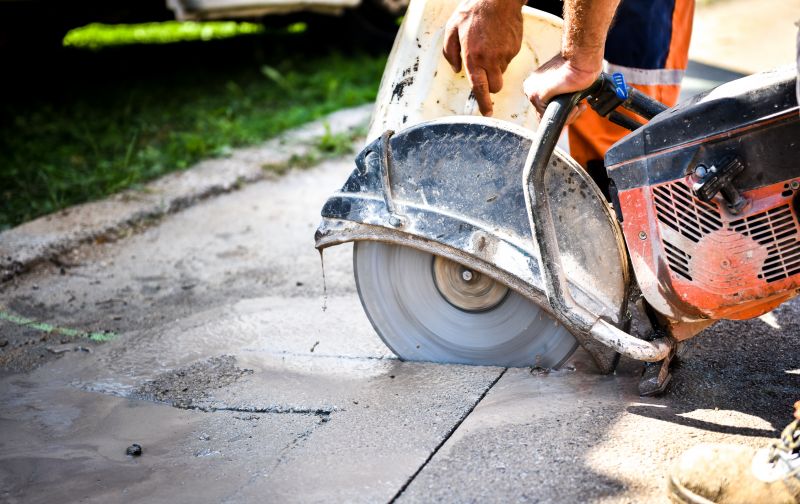

Understanding the difference between concrete sawing and concrete removal is essential for homeowners planning renovation, repair, or demolition projects involving existing concrete structures. When people search for this topic, they are often trying to determine which method best suits their specific project needs, whether it involves cutting through concrete slabs, walls, or other structures, or removing entire sections of concrete. These searches typically relate to problems like creating openings for windows or doors, installing utilities, or removing damaged or outdated concrete surfaces. Recognizing the distinction helps property owners communicate more clearly with local service providers and ensures they select the right technique for their project.
Concrete sawing generally refers to precision cutting of concrete using specialized equipment to create clean, straight lines or sections without removing entire slabs. It’s commonly used for tasks like cutting control joints, making openings for pipes or wiring, or dividing large concrete surfaces into manageable sections. On the other hand, concrete removal involves the complete or partial elimination of concrete material, often using heavy machinery such as jackhammers, excavators, or demolition saws. This process is necessary when concrete needs to be replaced, or when structural modifications require the removal of entire sections. Understanding these differences helps property owners plan projects more effectively and know when to seek out a contractor with the appropriate expertise.
The types of properties that typically involve concrete sawing and concrete removal vary widely. Residential properties often require these services for basement renovations, driveway modifications, or patio upgrades, where precise cuts are needed to insert new features or utilities. Commercial buildings may need concrete sawing or removal for installing new access points or upgrading infrastructure. Industrial sites or public infrastructure projects could involve large-scale concrete removal to facilitate new construction or repairs. Each property type presents unique challenges and requirements, making it important to work with local contractors who understand the scope of work and can recommend the most suitable approach for the specific project.
For homeowners and property managers, working with local concrete sawing and concrete removal service providers ensures that their projects are handled efficiently and accurately. These professionals bring the necessary equipment and expertise to perform precise cuts or safe removals, minimizing damage to surrounding structures and surfaces. Whether dealing with a small residential repair or a large commercial renovation, understanding the difference between concrete sawing and concrete removal helps in planning and communicating project needs. Connecting with experienced local contractors ensures that the right techniques are applied, leading to smoother project execution and better long-term results for the property.
Concrete Cutting Projects - tasks such as creating openings or joints in existing concrete surfaces require precise sawing skills and specialized tools similar to those used in concrete sawing versus concrete removal tasks.
Bridge and Structural Demolition - these projects involve careful planning and the use of heavy-duty cutting equipment, aligning with the skills needed for concrete removal and sawing operations.
Industrial Floor Preparation - preparing concrete floors for new installations often involves cutting or removal techniques that demand expertise in concrete sawing and removal services.
Parking Lot Resurfacing - involves cutting and removing sections of concrete surfaces, requiring local contractors skilled in both sawing and removal methods to ensure proper execution.
Foundation Penetration and Repair - creating access points or removing damaged concrete around foundations uses similar planning and tools as those in concrete sawing versus concrete removal projects.
Retrofitting and Reinforcement Work - installing reinforcements or new structural elements often involves cutting existing concrete, utilizing skills common to concrete sawing and removal services.
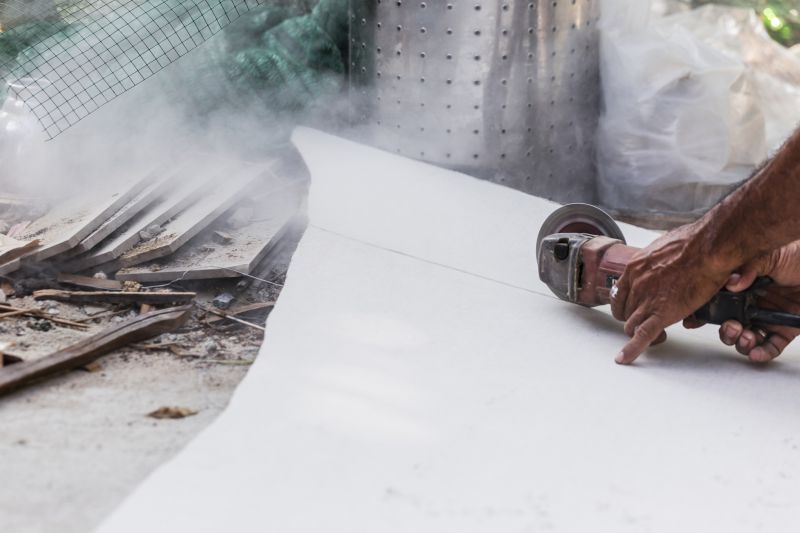
When comparing service providers for concrete sawing versus concrete removal, it’s essential to consider their experience with similar projects. Contractors who have handled comparable jobs are more likely to understand the specific techniques and equipment needed for each task. For example, concrete sawing typically involves precise cuts for openings or demolitions, requiring specialized skills, while concrete removal may involve breaking and hauling away large sections. Ensuring that a contractor has a proven track record with projects similar in scope and complexity can help ensure the work is completed efficiently and effectively.
Clear, written expectations are a vital part of choosing the right service provider. Homeowners should seek contractors who can provide detailed descriptions of the services they offer, including the methods they plan to use and the scope of work involved. This clarity helps prevent misunderstandings and ensures everyone is aligned on the project’s goals. When reviewing proposals, it’s beneficial to look for providers who outline their process and deliverables in writing, making it easier to compare options and select a contractor who meets the specific needs of the project.
Reputable references and good communication are key indicators of a reliable contractor. Service providers with positive references from previous clients demonstrate a history of satisfactory work, which can give homeowners confidence in their professionalism and expertise. Additionally, contractors who are responsive and transparent during initial conversations tend to maintain clear communication throughout the project. This openness helps address questions or concerns promptly, leading to a smoother experience whether choosing concrete sawing or concrete removal services.
Property owners often search for concrete sawing vs. concrete removal: understanding the difference when they are planning practical projects around their homes and businesses. Local pros provide Concrete Sawing and Concrete Removal services for everyday jobs and straightforward project options.
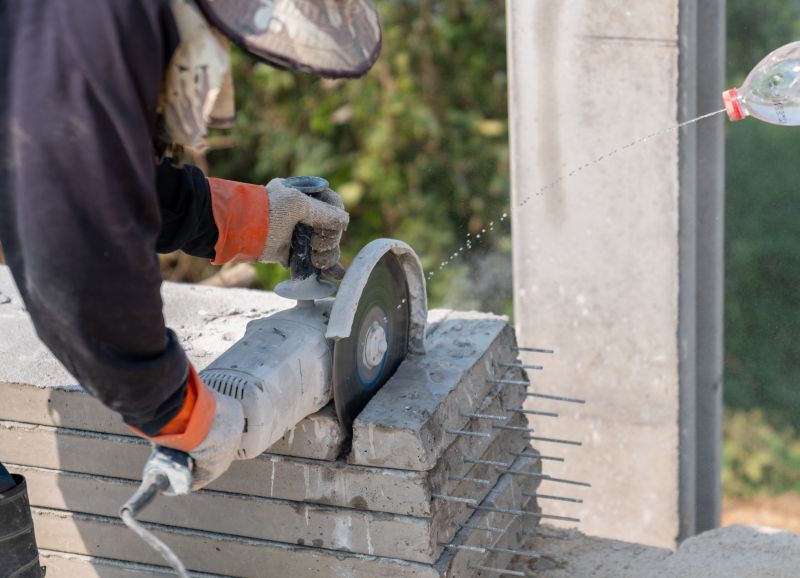
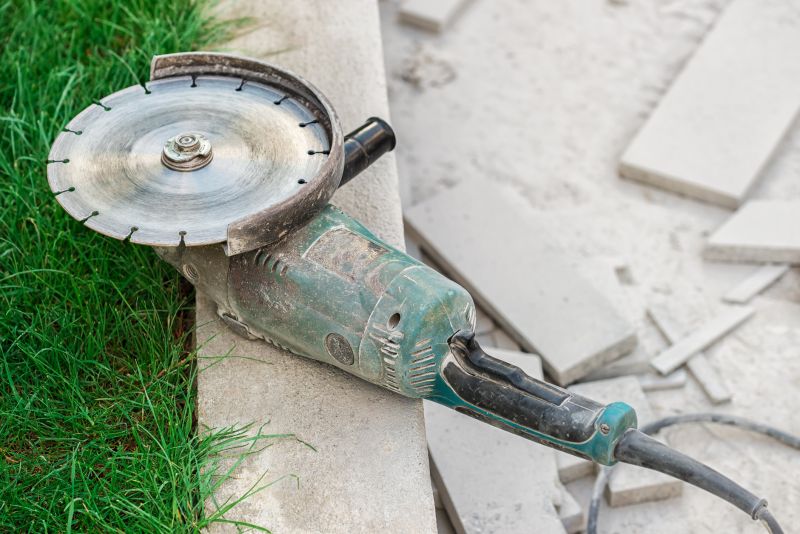
Understanding the difference between concrete sawing and concrete removal is important for property owners tackling various renovation or repair projects. For example, when making precise cuts in existing concrete to create openings for doors, windows, or utilities, concrete sawing is often the preferred method. It allows for clean, accurate cuts without disturbing surrounding areas. On the other hand, when an entire section of concrete needs to be taken out-such as removing a damaged driveway or breaking up a slab-concrete removal services are typically needed. These services involve breaking apart and hauling away concrete, which is more extensive than simply cutting through it.
Property owners in the local area often search for these services to ensure projects are completed efficiently and correctly. Local contractors who specialize in concrete sawing and removal can help determine the best approach based on the scope of the work. Whether it’s making precise cuts or removing large sections of concrete, these professionals have the tools and experience to handle the task. Connecting with experienced service providers can help property owners choose the right method for their specific project needs, ensuring the work is done safely and effectively.
What is the main difference between concrete sawing and concrete removal? Concrete sawing involves cutting through existing concrete using specialized blades, while concrete removal typically involves breaking or extracting concrete from a site. Local service providers can help determine which method suits specific project needs.
When should concrete sawing be used instead of removal? Concrete sawing is ideal for creating precise cuts, openings, or access points without removing large sections of concrete. Local contractors can advise on whether sawing or removal is appropriate based on the project scope.
What types of projects are best suited for concrete removal services? Concrete removal is suitable for demolishing entire sections, replacing damaged slabs, or clearing space for new construction. Local pros can handle these jobs efficiently and safely.
Can concrete sawing be combined with removal services? Yes, concrete sawing is often used in conjunction with removal to make controlled cuts before removing sections of concrete. Local service providers can coordinate both processes for seamless project execution.
How do I know which service is needed for my project? A consultation with local contractors can help assess the project requirements and recommend whether concrete sawing or removal is the best approach for achieving desired results.
Assessing project needs - property owners can evaluate whether precise cuts or complete removal is necessary for their renovation or repair projects by consulting local contractors.
Choosing the right service - understanding the difference helps property owners decide if concrete sawing or removal services are best suited for their specific situation.
Planning for structural modifications - knowing when to use concrete sawing versus removal ensures that modifications are done safely and efficiently during remodeling tasks.
Ensuring minimal disruption - selecting the appropriate method allows property owners to reduce damage and disturbance to surrounding areas when working on concrete surfaces.
If you are thinking about concrete sawing vs. concrete removal: understanding the difference for a property, this guide is meant to help you understand this topic, the typical project types, and how different options might fit your plans.
When you are ready, you can use the quote form on this page to share a few details about your project. From there, local pros can review the basics and follow up with options that match what you have in mind.